Home › Gravel-to-Asphalt Conversions
Tired of dust and ruts in your gravel drive Turn to our gravel to asphalt driveway conversions in San Antonio, TX. We regrade, compact, and pave over existing gravel surfaces to create a smooth, solid asphalt driveway. Enjoy cleaner vehicles, easier snow or debris removal, and better curb appeal.
Precision Asphalt San Antonio provides professional gravel to asphalt driveway throughout San Antonio, TX, Texas and the surrounding area. Our licensed, insured crew delivers safe, clean, on-time work with a free estimate before anything begins. Call (830) 268-0934 or request your free quote.
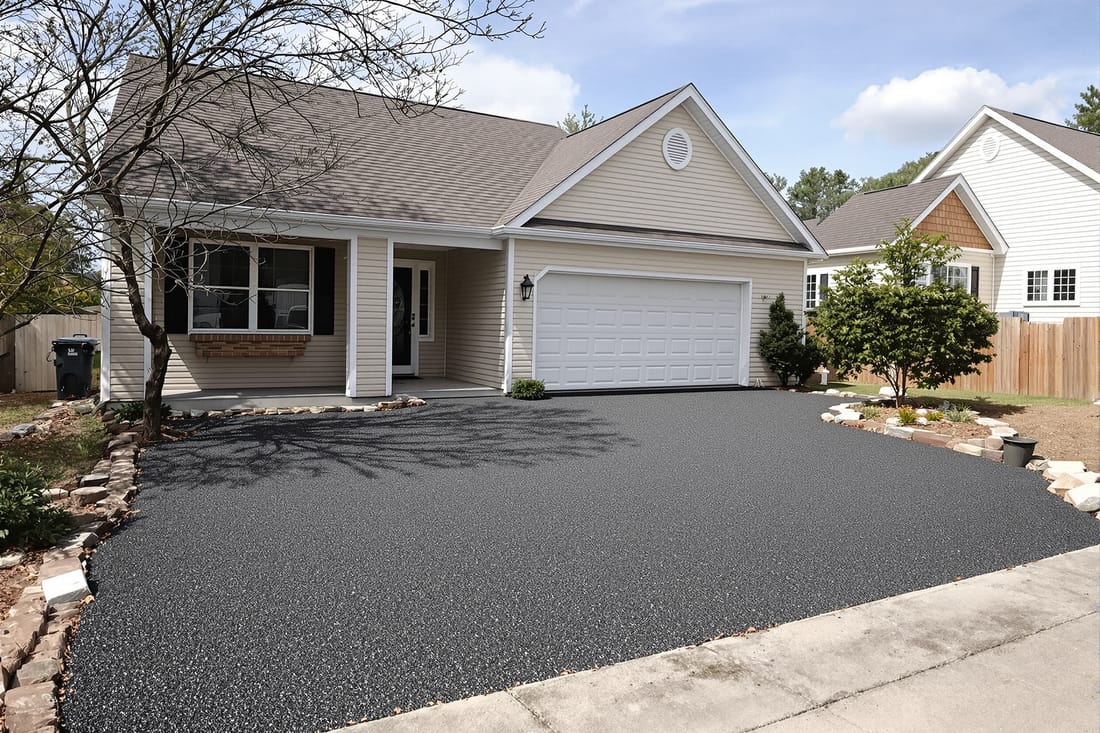
Turn Your Gravel Driveway Into a Smooth Asphalt Surface
If you are tired of ruts, dust, and loose rock every time you pull into your property, a gravel to asphalt driveway conversion can be a major upgrade. Precision Asphalt San Antonio specializes in turning existing gravel drives into durable asphalt surfaces that handle San Antonio traffic and weather.
We start by looking at what you already have. Gravel driveways in our area vary a lot in thickness, base quality, and drainage. Instead of applying a thin layer of asphalt over whatever is there, we evaluate the depth of existing gravel, how compacted it is, and where water naturally flows after a rain. This upfront assessment is what keeps your new driveway from cracking or sinking a year later.
Our crew is local to San Antonio, so we understand how brutal summer heat, sudden storms, and clay soils can affect a driveway. We design each gravel to asphalt driveway so it sheds water away from your home or business, resists rutting from heavy pickup trucks, and stays flexible in our high temperatures. The goal is a smooth, quiet surface that looks finished and holds up for many years with minimal maintenance.
Step-by-Step: How We Convert Gravel To Asphalt
A proper gravel to asphalt driveway project is much more than “paving over” what is there. Precision Asphalt San Antonio follows a clear process so your new surface lasts.
1. Site inspection and measurements
We measure the driveway length and width, look at traffic patterns, and locate problem areas such as soft spots or standing water. We also check clearances to garages, gates, and road connections so the finished pavement ties in cleanly.
2. Grading and base repair
We smooth out ruts, pull back excess gravel, and regrade the surface to create a consistent slope. In San Antonio we often find pockets of expansive clay beneath the gravel. Where the subgrade is soft, we remove material and replace it with compacted road base so the asphalt has a strong, uniform foundation.
3. Compaction of existing gravel base
The existing gravel is reused whenever it meets thickness and quality requirements. Using heavy rollers and compactors, we tighten the base layer so it behaves like a solid platform. This step is critical on gravel drives that have developed washboards or deep ruts from years of use.
4. Edge definition and transition planning
We set edges where needed using soil berms, existing concrete, or optional curbing. At the street connection, we plan a smooth transition to the public road so you do not feel a bump every time you leave the property. For driveways that meet concrete garages or sidewalks, we shape the base so the asphalt meets those surfaces cleanly.
5. Asphalt installation
We typically install a hot mix asphalt layer of 2 to 3 inches after compaction, depending on traffic and base quality. Asphalt is placed with a paving machine for consistent thickness, then compacted with a steel drum roller. For very tight or steep areas, we use smaller compactors to reach every section.
6. Final rolling and cleanup
We perform a final pass to remove roller marks and ensure a smooth surface. Any loose material is cleaned up, and we leave clear instructions for how long to keep vehicles off the new asphalt so it cures properly in the Texas heat.
Design Choices For Your New Asphalt Driveway
A gravel to asphalt driveway conversion is a good time to improve how your property looks and functions, not just the surface itself. Precision Asphalt San Antonio will walk you through practical design choices specific to your site.
Driveway width and layout
Many older gravel drives are a little too narrow for modern trucks or for two vehicles to pass. During conversion we can widen specific sections, create pull-out areas, or soften tight curves. For rural properties, we often recommend widening near the road and near parking areas while keeping the middle sections more modest to control cost.
Thickness and mix type
Light residential traffic typically does well with a 2 inch compacted surface course on a strong base. If you routinely park trailers, work trucks, or RVs, we may recommend a thicker asphalt section or an additional base layer. In hot San Antonio summers, we select mix designs that resist shoving and scuffing when tires turn on hot pavement.
Edges, drainage, and tie-ins
On sloped lots in our region, edges and drainage matter as much as surface thickness. We can add shallow swales alongside the driveway, shape the shoulders so water does not sit at the pavement edge, and ensure the driveway does not send water toward your foundation or garage. Where your asphalt meets gravel parking areas or barn approaches, we plan smooth transitions that reduce rock migration onto the new pavement.
Finishing touches
Customers can choose a simple straight drive or add features like turn-around pads, parking spurs, or defined borders. While color options for asphalt are limited, a clean edge line and consistent slope go a long way toward curb appeal. We also discuss future sealcoating plans up front so you know how your driveway will age visually over the next several years.
What Affects Cost On A Gravel To Asphalt Driveway
Two driveways that look similar at a glance can have very different project costs. Precision Asphalt San Antonio is open about what drives pricing so you can make informed decisions.
Base condition
The most important cost factor is the condition of your existing gravel and subgrade. If your driveway already has a deep, well compacted gravel base, we can reuse most of it and keep preparation costs lower. If there are soft spots, thin gravel, or drainage problems, we will need to correct those before paving. Spending a bit more on base work protects the asphalt from premature cracking and sinking.
Length, width, and complexity
Total square footage is the starting point, but layout also matters. Straight, easily accessible driveways are more efficient to pave than long, winding drives with tight turns or steep approaches. Additional work such as widening, adding parking pads, or tying into concrete walks or culverts will increase the scope.
Access and hauling
For some San Antonio properties, especially outside the urban core, access for trucks can influence cost. Narrow gates, overhead trees, or soft shoulders may require more hand work or smaller loads. If we can bring in full asphalt loads and base material efficiently, your price per square foot can be more favorable.
Local weather timing
We schedule gravel to asphalt driveway projects around our local weather patterns. Extremely hot afternoons, sudden spring rains, and winter cold snaps can all affect how much production we can safely achieve in a day. Sometimes splitting a long driveway into phases is the most cost effective way to ensure high quality results without rushing the work.
During your estimate, we break down these elements so you know which parts of the project are flexible and which are not. This helps you decide where it makes sense to invest more and where we can adjust to fit your budget.
Common Problems And How We Prevent Them
When gravel driveways are paved without proper preparation, the same issues show up over and over. Precision Asphalt San Antonio focuses on preventing these problems during the conversion.
Ruts and depressions
If the subgrade was not compacted properly or there are buried soft spots, wheel paths can slowly sink. We probe the existing driveway and, where needed, remove weak areas and rebuild them with compacted base. For driveways with known heavy truck traffic, we may adjust driveway alignment or thickness in those zones.
Standing water and erosion
Water is the enemy of asphalt in our climate. We check for locations where water has been pooling on the gravel and redesign the slope to move runoff to safe discharge points. In some cases, we recommend adding a small culvert or reworking the roadside ditch so the new driveway does not dam up stormwater.
Cracks from soil movement
San Antonio and surrounding areas have soils that expand and contract with moisture changes. No driveway can completely escape that, but we minimize cracking by providing a uniform base thickness and good drainage so moisture changes are more gradual. Where we expect movement, we design the driveway alignment and thickness to reduce stress points.
Rock migration and messy transitions
After paving, loose gravel from adjacent areas can migrate onto the asphalt and cause scratching or surface wear. We address this by defining transitions, pulling back unnecessary loose gravel, and sometimes recommending a compacted base shoulder instead of raw rock at the edge.
We share these potential issues with you before we start, along with the steps we will take on your specific driveway, so you know what to expect from day one and over the long term.
What To Expect When You Work With Precision Asphalt San Antonio
A gravel to asphalt driveway conversion affects daily access to your home or property, so clear communication matters. Precision Asphalt San Antonio guides you through each stage so there are no surprises.
Initial visit and written proposal
We schedule a site visit, listen to how you use the driveway, and walk the full length with you. After taking measurements and checking grades, we provide a written proposal that outlines base work, asphalt thickness, layout changes, and any drainage improvements.
Scheduling and preparation
Once you approve the plan, we set a start date that works around your access needs. For example, some customers prefer that we keep at least one lane usable overnight or stage work so business deliveries are not interrupted. We explain how to clear vehicles, trailers, or equipment from the work area before we arrive.
Work days and access
On paving days, expect noise from machinery and brief periods when the driveway is not passable. We coordinate entry and exit windows whenever possible, especially for homes with only one way in or out. Most residential driveways are ready for light vehicle use within 24 hours, although curing times vary with temperature.
Aftercare and maintenance
Before we leave, we go over how to protect the new asphalt during the first few weeks, such as avoiding parking heavy loads in the same spot and reducing tight turning on very hot days. We also discuss long term care, including when to consider the first sealcoat, how to handle small spills, and signs that drainage needs attention.
If you are considering a gravel to asphalt driveway for your San Antonio property, our team is available to answer questions, explain options in plain language, and provide a detailed quote based on real on-site conditions, not guesswork.