Home › Asphalt Resurfacing & Overlays
Extend the life of your driveway with asphalt resurfacing in San Antonio, TX. We install smooth, durable asphalt overlays on worn but structurally sound driveways, improving appearance and ride quality. Save money compared to full replacement while giving your pavement a fresh start.
Precision Asphalt San Antonio provides professional asphalt resurfacing throughout San Antonio, TX, Texas and the surrounding area. Our licensed, insured crew delivers safe, clean, on-time work with a free estimate before anything begins. Call (830) 268-0934 or request your free quote.
Asphalt Resurfacing & Overlays for San Antonio Properties
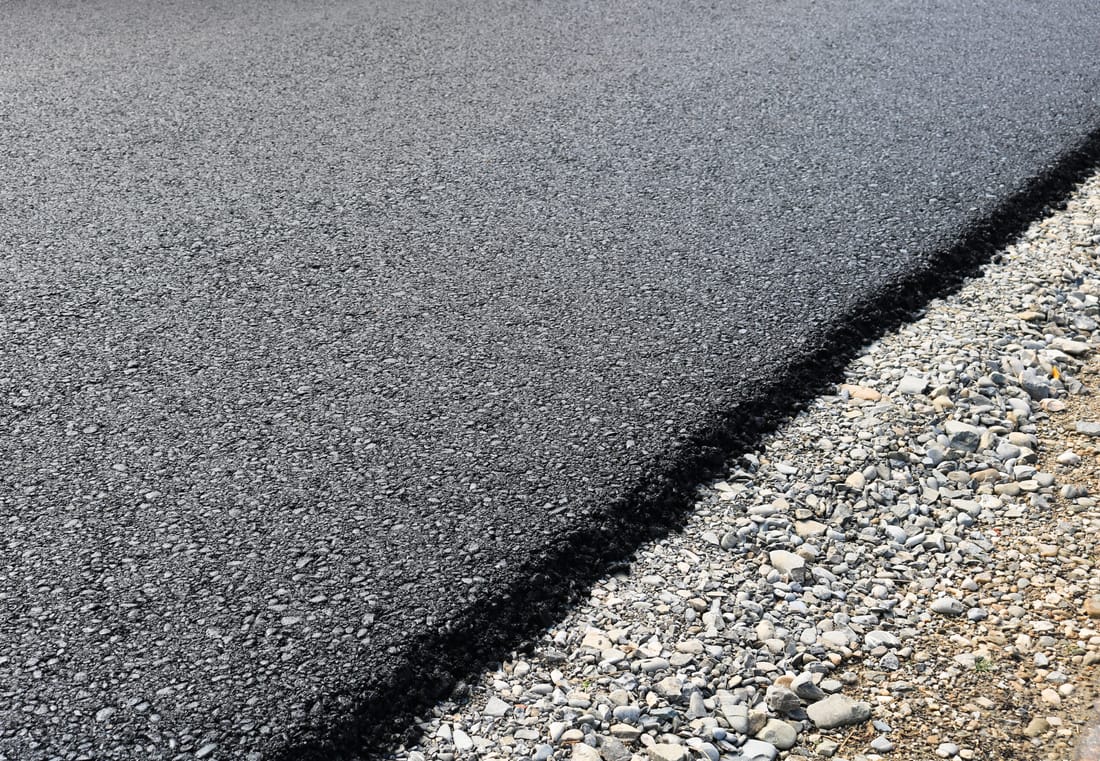
Asphalt resurfacing is often the most cost effective way to restore a worn parking lot or driveway in San Antonio without paying for a full tear out and replacement. Instead of digging out all the old asphalt, Precision Asphalt San Antonio repairs the existing surface and installs a new asphalt layer on top, called an overlay. When the base is still structurally sound, this approach can extend the life of your pavement by 8 to 15 years.
For local property owners, resurfacing is especially helpful when the pavement looks rough, has shallow cracks, raveling, or faded striping, but does not have deep base failures. We see it on commercial lots in busy shopping centers along Loop 410, neighborhood driveways in Stone Oak, and small business parking lots near downtown. If you are not sure whether resurfacing is enough, our team can core sample and evaluate your asphalt so you avoid wasting money on the wrong solution.
Precision Asphalt San Antonio focuses on matching the resurfacing plan to how your pavement is actually used. A small medical clinic lot with slow traffic needs a different mix than a trucking yard with constant turning and heavy loads. By tailoring the overlay thickness and asphalt mix to your use, we help prevent rutting, early cracking, and other failures that shorten pavement life.
How We Evaluate Whether Asphalt Resurfacing Is Right For You
Before we recommend resurfacing, we complete a detailed pavement evaluation. Resurfacing is not just a cosmetic fix, so we start by walking the entire lot or drive, marking out cracks, dips, ponding water, and any sharp transitions that could create trip hazards. We look for signs of base failure such as alligator cracking, large depressions, or soft spots that move when a vehicle drives over them.
Next, we review drainage. In San Antonio, intense thunderstorms can dump a lot of water in a short time. If water is already standing in areas of your lot after a storm, simply adding an overlay can make the problem worse. Our crew checks slopes, gutter lines, and inlets, then plans milling or patching to restore positive drainage before we resurface.
For commercial customers, we also consider traffic patterns and loading. Areas where garbage trucks, delivery vans, or 18 wheelers turn or stop frequently need thicker overlays or a stronger mix design. On some projects we recommend heavy duty reconstruction only in those high stress zones and resurfacing everywhere else. This hybrid approach keeps your costs down while still protecting the areas that take the most abuse.
Step by Step: Our Asphalt Resurfacing & Overlay Process
A successful overlay is all about preparation and detail work. Precision Asphalt San Antonio follows a consistent, field tested process so the new surface bonds properly and does not peel or crack prematurely.
1. Cleaning and surface prep: We begin by sweeping the pavement with a heavy duty broom or vacuum sweeper to remove debris, loose aggregate, and dirt. In oil stained areas, especially in restaurant or drive thru lanes, we apply a degreaser and scrub, since oil can prevent the new asphalt from bonding.
2. Milling and edge work: Where the new surface meets concrete entrances, sidewalks, or existing asphalt, we often mill down the old asphalt so the finished overlay ties in smoothly. Without this, overlays can create a “lip” that catches snow plows, delivery trucks, or low vehicles. Milling is also used to correct birdbaths where water currently collects.
3. Structural patching: Any areas with base failure are saw cut and removed, then rebuilt with new base material and hot mix asphalt, compacted in layers. We never place an overlay directly on top of severe alligator cracking, because the cracks will reflect through the new asphalt in a short time.
4. Tack coat application: After prep, we spray a tack coat (a thin layer of asphalt emulsion) over the existing surface. This acts like glue between the old pavement and the new overlay and is essential in our hot, high traffic conditions.
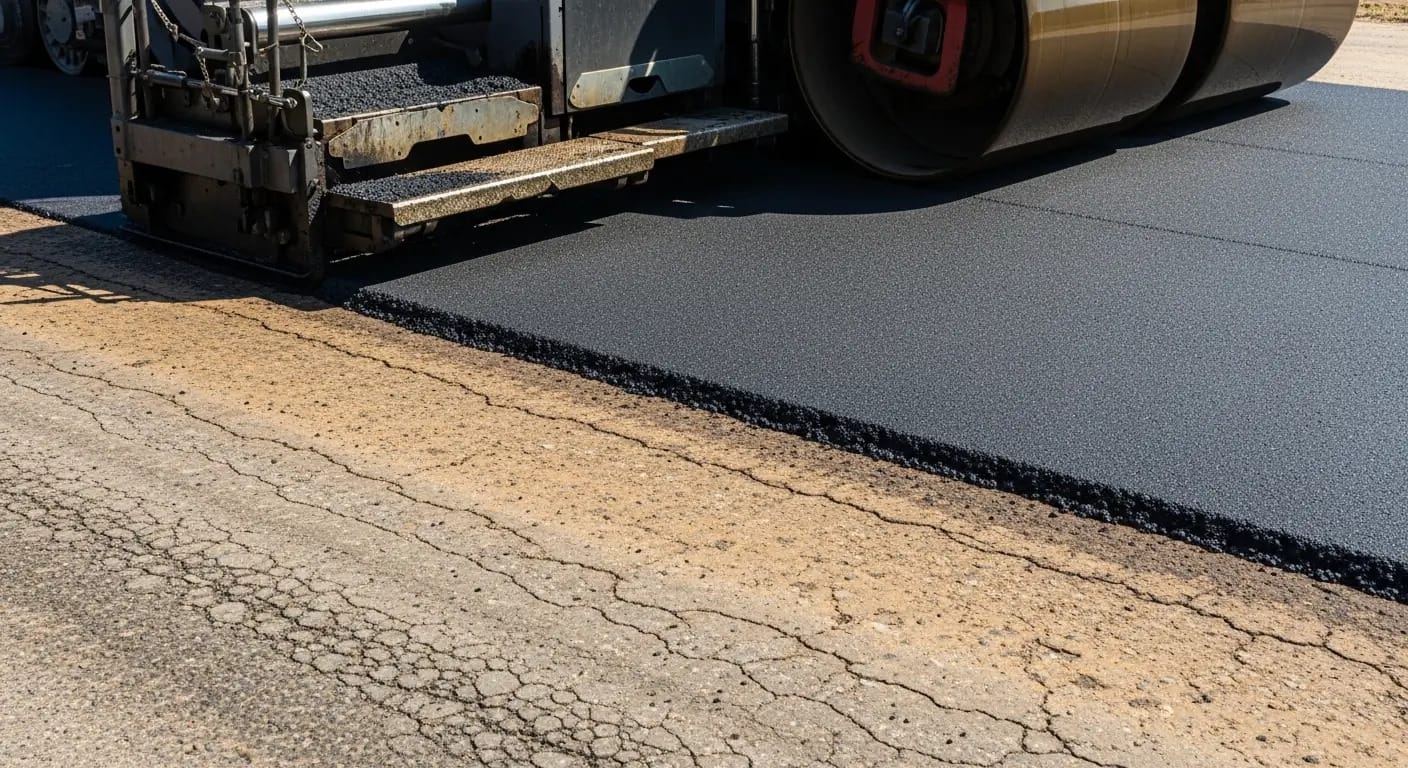
5. Laying the overlay: We install hot mix asphalt using a paver for consistent thickness, typically between 1.5 and 2 inches for light duty and up to 3 inches or more in high load areas. Our crew checks the mat temperature and compaction so the new surface is dense and uniform.
6. Compaction and finishing: Steel drum and pneumatic rollers compact the new asphalt in multiple passes. We pay special attention to joints, edges, and transitions where problems often start. Once cooled, we restripe the lot, reset wheel stops, and reopen the area to traffic according to cure times and your operating schedule.
Local Conditions That Affect Asphalt Resurfacing in San Antonio
San Antonio’s climate has a direct impact on how we plan and execute asphalt resurfacing. The combination of intense summer heat, strong UV exposure, and sudden heavy rains can shorten the life of poorly designed overlays.
We typically recommend scheduling resurfacing projects from late fall through early spring when possible. Cooler temperatures, usually from October through April, allow the hot mix to cool at the right rate and help rollers achieve better compaction. In mid summer, especially on open lots with no shade, asphalt can skin over too fast on the surface, which can trap air and create a less dense mat if not handled carefully.
Storm patterns also matter. If a tropical system or strong cold front is in the forecast, we will adjust the schedule. Fresh overlays should not be exposed to heavy rain before compaction is complete and the surface has begun to cool. Water can wash fines out of the surface layer and leave it more open and prone to raveling.
Local soils in and around San Antonio vary from caliche to expansive clay. When we evaluate your pavement for resurfacing, we consider how those underlying soils behave. In areas with expansive soils, we are especially cautious about overlaying surfaces with signs of heaving or settlement, and we may recommend localized base improvements before placing a new surface so the overlay does not crack as the soil moves.
What Drives the Cost of Asphalt Resurfacing & Overlays
Many customers ask why two asphalt resurfacing quotes can differ so much in price. The final cost depends on more than just square footage. Precision Asphalt San Antonio breaks down your proposal so you can see exactly what you are paying for.
Overlay thickness and mix design are major cost drivers. A thicker overlay uses more material but may be the right choice for lots with bus traffic, delivery trucks, or frequent turning movements. For lighter duty areas like residential driveways, we can often use a thinner overlay and a different mix to reduce cost while still giving you a long service life.
The amount of milling and patching required also affects price. Simple overlays on relatively smooth, stable surfaces require less prep. Lots with poor drainage, heavy rutting, or widespread alligator cracking need more milling and structural repairs, which adds labor and materials. In many cases we present a base option and an enhanced option so you can decide how much to invest now versus what you might face in long term maintenance.
Access and phasing are another factor. If your business needs to stay open, we may stage the work in sections, add temporary striping, or work nights or weekends. Phasing adds set up time, traffic control, and labor, but it lets your operation continue with minimal downtime. We discuss these tradeoffs with you up front so you can balance project cost with convenience for your customers and tenants.
Common Pavement Problems and How Resurfacing Solves (or Does Not Solve) Them
Not every pavement issue can be solved with an overlay, and part of our job is to be honest about what resurfacing will and will not fix.
Asphalt resurfacing is very effective for: raveling or rough surfaces, shallow to moderate block or longitudinal cracking, oxidized and faded asphalt, and minor rutting or shoving. By adding a structurally sound layer on top and sealing the surface, we reduce water infiltration, restore skid resistance, and give you a clean, black appearance that improves property image.
Resurfacing is not a cure for deep structural failures. Severe alligator cracking, large areas of sinking or heaving, and major drainage design flaws need to be corrected before any overlay. If these problems are simply covered, they will quickly reflect through the new surface. In those cases, we recommend full depth patching or partial reconstruction first, then resurface the remaining sound pavement.
We also discuss existing overlays. Some older lots already have one or two overlays. Adding another layer may create elevation issues at curbs, drains, and entrances, as well as exceed recommended total asphalt thickness for the underlying base. When this happens, we may suggest milling off part of the old surface and placing a new overlay at a more appropriate grade. Our goal is to leave you with a pavement that looks good and drains properly, not one that just hides problems for a short time.
Working With Precision Asphalt San Antonio on Your Resurfacing Project
Our approach is to act as a local partner, not just a paving contractor. Most of our resurfacing work in San Antonio comes from repeat customers and referrals, so we plan each project with long term relationships in mind.
On commercial jobs, we coordinate schedules with your property manager or facility team. For shopping centers and medical offices we often phase work so main drive lanes stay open, then complete parking bays in sections and restripe quickly so customers know where to park. For churches and schools, we frequently plan overlays between major events or during school breaks.
For homeowners, we focus on clear communication and tidy job sites. Before we start, we explain where you should park, how long you will need to stay off the driveway, and how to protect the new surface during the first few days. We also provide basic maintenance guidelines such as when to schedule sealcoating after resurfacing and how to prevent damage from irrigation leaks or heavy equipment.
If you are considering asphalt resurfacing, Precision Asphalt San Antonio can inspect your pavement, provide photos and notes of what we find, and give you a written plan that fits your budget and timeline. Whether you manage a large commercial property or a single driveway, our goal is to give you a resurfacing solution that holds up to San Antonio traffic and weather for years to come.